At an event with 450 attendees, 10 speakers and more than 40 professionals, live camera direction is only part of the work. For Mentes Inversoras we spent six months turning the programme into a coordinated operation: content, running order, cameras, sound, projection, access and crew movements.
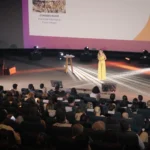
The event took place at Kinépolis Valencia with a five-camera production. We supported the experience in the room, recorded the talks and gathered footage for the films that would follow.
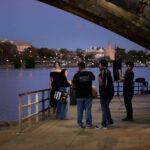
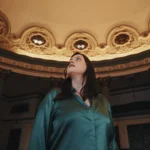
The video brings together the stage, audience and interviews recorded in an area separate from the talks. That second unit captured contributions with its own lighting and sound setup, without disrupting the main programme.
The challenge: designing the live experience and planning the content afterwards
The first decision was what should happen in front of the audience and which materials the organiser needed to keep. Talks, stage entrances, panel discussions and audience reactions each required different coverage. We also had to plan a highlights film, interviews and social media formats.
That list shaped the pace of the programme and the picture and sound requirements. When deliverables are agreed before setup, every camera has a role and the crew knows which moments cannot be missed.
It also allowed us to separate three layers of work. The first was editorial: talks, conversations and brand moments. The second was technical: signals, microphones, lighting, projection and camera positions. The third was operational: access, speaker changeovers, breaks and movements. All three had to come together in the same plan.
Pre-production: objectives, website and running order
The experience started before people entered the room. We helped plan the Mentes Inversoras website, developed in collaboration with Whiteblock Agency, to organise the event information and introduce the speakers. Communications before the event and the live programme needed a shared, clear structure.
One running order for every department
Each programme change triggered several actions: the stage manager confirmed the entrance, sound prepared the microphone, the director secured the shot, the screen team cued the content and a side camera followed the speaker. The running order brought those cues into one sequence.
The document connected production, live direction, cameras, sound, lighting, screens, the DJ, front of house, catering and transport. With more than 40 professionals involved, it also needed to identify responsibilities and alternatives if the schedule changed.
During the six months of preparation, every decision affecting the programme was reflected in that structure. This revealed dependencies before the event: an entrance needed music and a camera; a panel discussion needed a different microphone and shot plan; a break affected access, catering and screen content.

Technical setup: five cameras, confidence monitors and projection
The technical recce helped us assign a purpose to each position, check sightlines and plan routes without obstructing the audience.
- Wide camera: held a full view of the stage and ensured continuity.
- Long-lens camera among the audience: the operator worked from a seating area to capture medium shots and close-ups aligned with the stage.
- Elevated robotic camera: covered the room without occupying the aisles.
- Left-side mobile camera: followed the speaker’s entrance to the stage.
- Right-side mobile camera: captured the audience, reactions and atmosphere.

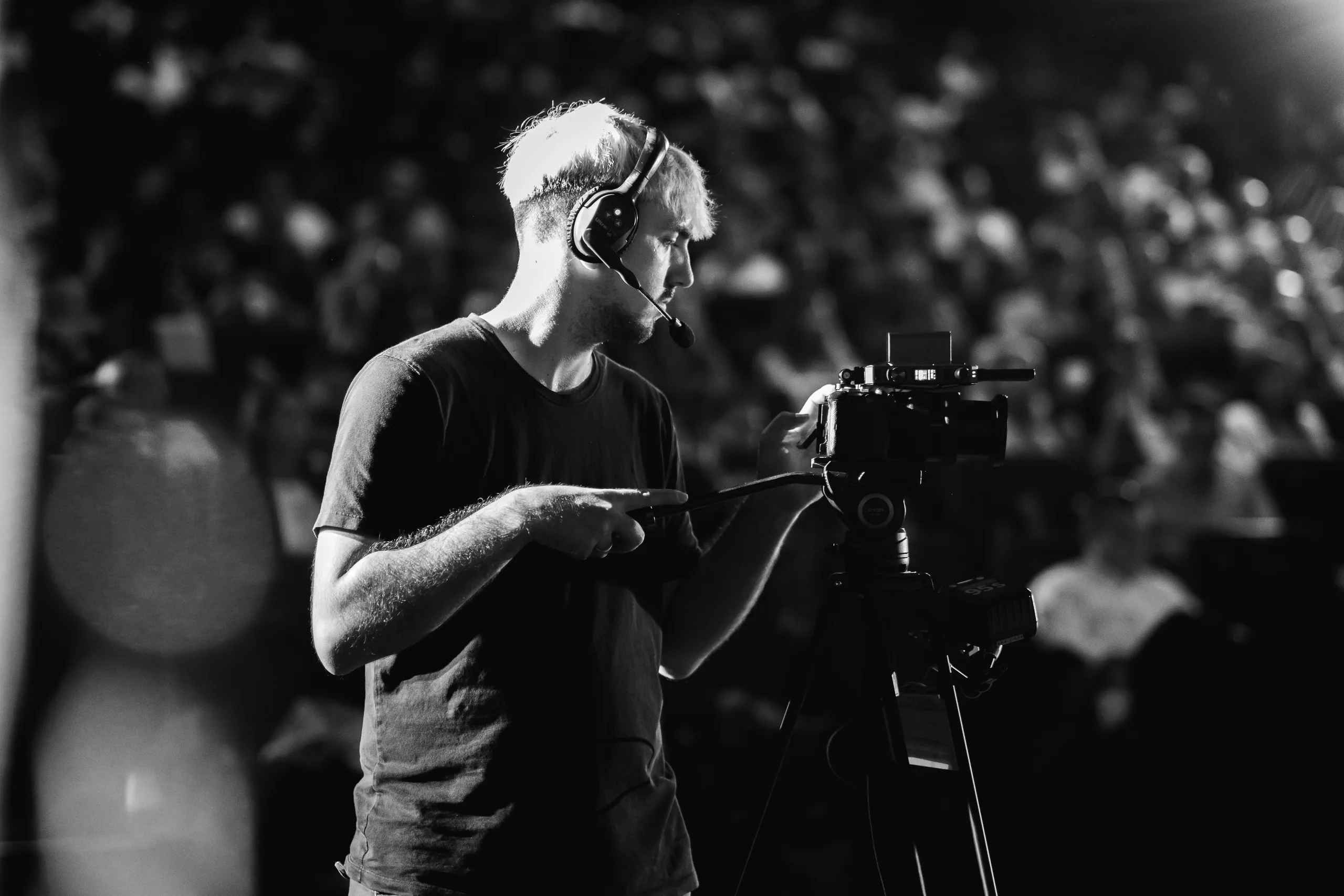
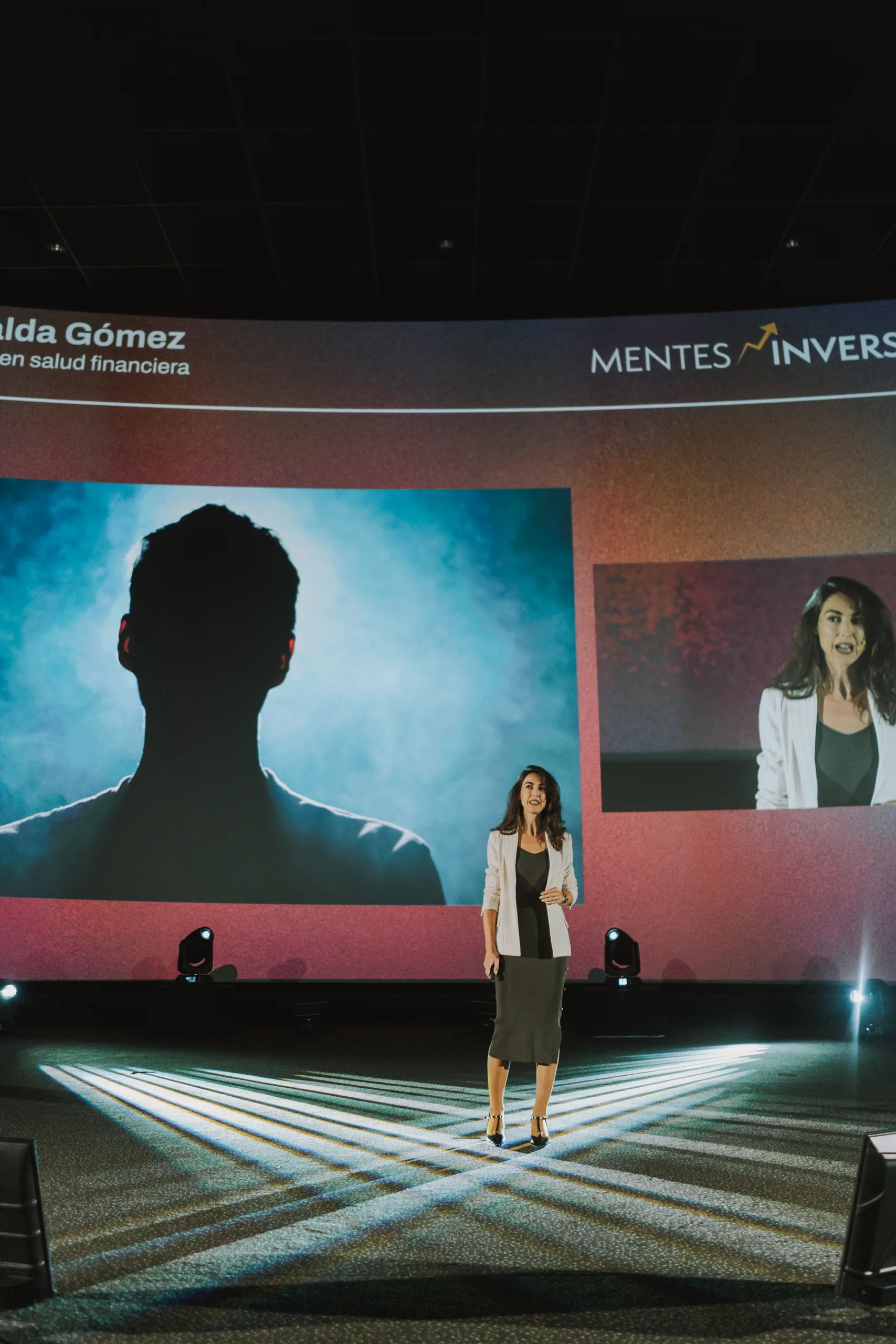
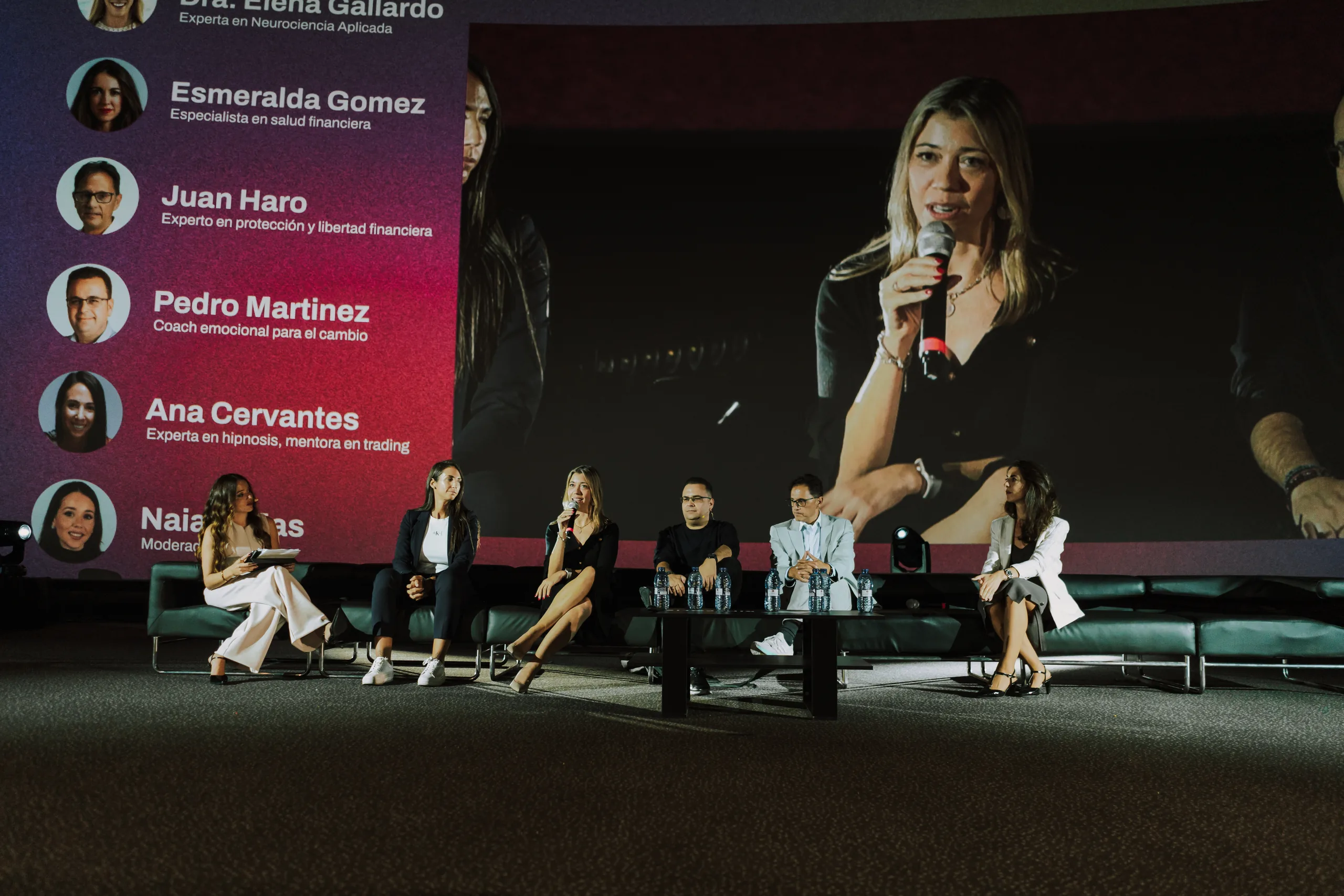
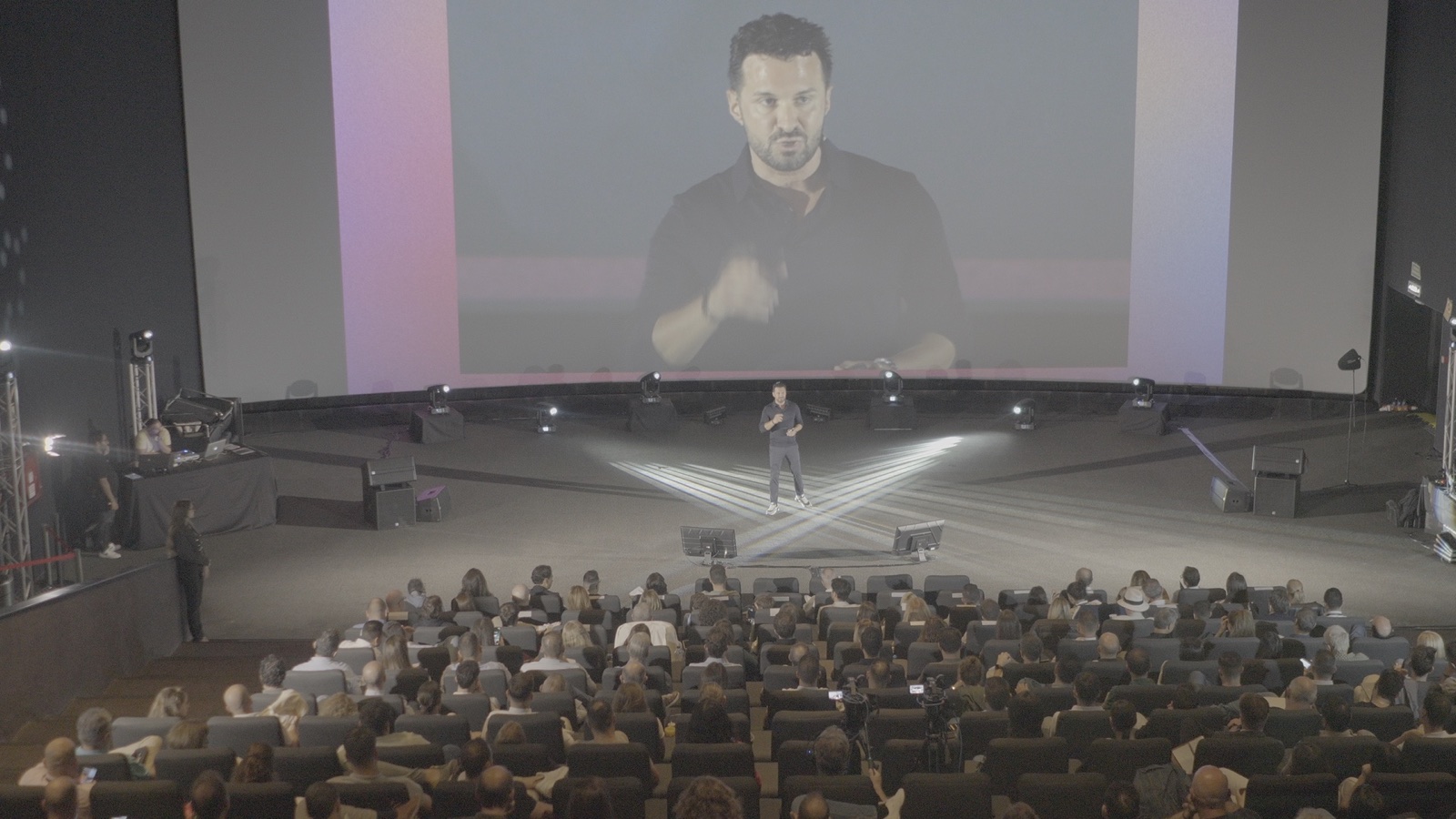
Signal flow and control in a cinema auditorium
At Kinépolis Valencia, the presentation needed a stable feed to the projector. The chain connected the PowerPoint computer, an ATEM and the auditorium’s projection system. The vMix production control position was on the upper floor; at stage level, the DJ was on the left and the sound and PowerPoint positions on the right.
Two confidence monitors in front of the speaker let them consult the presentation without turning towards the main screen. The technical recce also covered lenses, backlighting, cabling, communications and operating distances.
Tests checked the complete signal path, from presentation to screen, and how the cameras responded to the projected content. Checking the system together helped prevent slides that looked clear on a computer from becoming hard to read in the room or poorly integrated into the speaker’s shots.
Screen, framing and sound
The cinema screen shaped the staging. We defined a safe area so the speaker would not obscure key slide elements and checked the camera framing against the actual projected content.
Sound was planned both for the room and for the recording: microphones, PA, mixing and the feed to production control. The DJ’s musical transitions were included in the running order to coordinate openings, programme changes and closing moments.
Communication between control, cameras and stage completed the setup. The director called shots and changes; the stage manager confirmed the next contribution was ready; sound and PowerPoint followed their cues in the running order. This chain of confirmations reduced improvised decisions during the live event.
Running the event and coordinating logistics
During the event, the wide camera held a safe shot while the mobile cameras repositioned. The director selected the feed and the stage team prepared the next speaker.
Logistics included catering by Racó de l’Arnau, access and premium-area support from Must Eventos, and transport support from Alba-Car. Any change to an arrival or a break affected the programme, so production communicated it before the next sequence began.
Interviews were recorded separately, with a dedicated crew and space. This allowed the interview coverage to progress without interfering with the talks.
On a production of this size, delivery depends on short checkpoints: confirming that the speaker is available, the correct presentation is ready, the microphone is prepared and the director has a safe shot. If anything changes, the running order helps identify which departments need to be told.
Deliverables agreed before the event
The highlights film, interviews and social media content were planned in pre-production. Each deliverable needed its own coverage and sound treatment.
Before doors open, everyone also needs to know what will be recorded continuously, which shots to gather during breaks and how footage will be labelled for editing. Planning deliverables helps size the schedule, crew and storage, so the later selection serves a clear purpose.
This setup was designed for the Mentes Inversoras programme, venue and deliverables. Camera numbers and crew distribution are adapted to those needs for each event.
Checklist: producing an audiovisual event
- Communication objectives and the in-room experience defined.
- Deliverables and formats agreed before planning coverage.
- One current editorial and technical running order.
- Technical recce with the director, camera, lighting and sound teams.
- Positions, routes and sightlines checked.
- Microphones, PA, confidence monitors and recording feeds defined.
- Presentations, ATEM, projector and backup playback options tested.
- Access, catering and transport coordinated with the programme.
- A responsible person and a backup plan assigned to each critical system.
- A schedule for backups, editing and approval established.
If you are planning an event and need to bring multicamera direction, content and production together, explore our event projects or tell us what needs to happen in the room.