In this story
Picture a hand sweeping back a strand of hair to reveal an earring. Behind it, the sea. It could be the opening of a jewellery campaign in Ibiza. A simple gesture, yet you can already imagine wearing the piece: how it moves, how it catches the light, what you would wear it with.
Reflections reveal a piece of jewellery; the way a dress falls reveals something of its character, too. A camera can bring us closer to those details or let them slip by unnoticed. In Ibiza, we worked with both: Joyería Mellado’s pieces in Between Sea and Skin and the collections on the ADLIB runway. We return to those images to look at what movement tells us and how we bring it to the screen.
Mellado: when the sea becomes part of the campaign
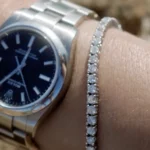
In Between Sea and Skin, the campaign we created for Joyería Mellado in 2021, the Mediterranean frames the jewellery. Skin, rock and the blue of the water create a recognisable setting, linked to Ibiza and the identity of the piece. The campaign was designed for digital press and social media.
Between Sea and Skin · Joyería Mellado · Ibiza, 2021.
The title gives you a clue: between the sea and the skin. Jewellery changes when someone wears it. You can connect it to a gesture, a way of dressing, a particular moment in the day. When filming it, we choose how much of that setting to include and when to move closer so you can appreciate the piece.
Watch the reflections. One can travel across the metal and reveal its shape; too much glare can hide the jeweller’s work. Sometimes a slight movement of the hand makes all the difference. If you designed the piece, you will want to recognise that finish. If you are behind the camera, you need to give it the light and time it needs to be seen.
ADLIB: what a dress reveals in motion
For ADLIB Ibiza – Pasarela 2022, we produced the audiovisual coverage for the Consell d’Eivissa. The runway show and what happened backstage were part of the same story. The film brought viewers closer both to the designs and to the energy surrounding their presentation.
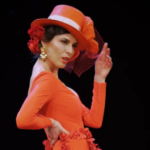
In that edition, Elisa Pomar presented jewellery from Hijas pródigas de Ibiza. Ivanna Mestres drew on the marine world for Bailando con medusas, and Tony Bonet brought the bridal collection Yo fémina to the runway. Looking at them through the camera raises different questions: how to capture a jewel’s sparkle, how to follow a fabric’s movement, when to show the full silhouette.
ADLIB Ibiza · Runway 2022 · Filmed for the Consell d’Eivissa.
A dress changes as its wearer walks. The fabric falls, opens out in a turn, then settles back against the body. For its designer, that movement is part of the garment. The camera needs to follow it: frame too tightly and you lose the silhouette; cut too soon and we never see how the fabric settles.
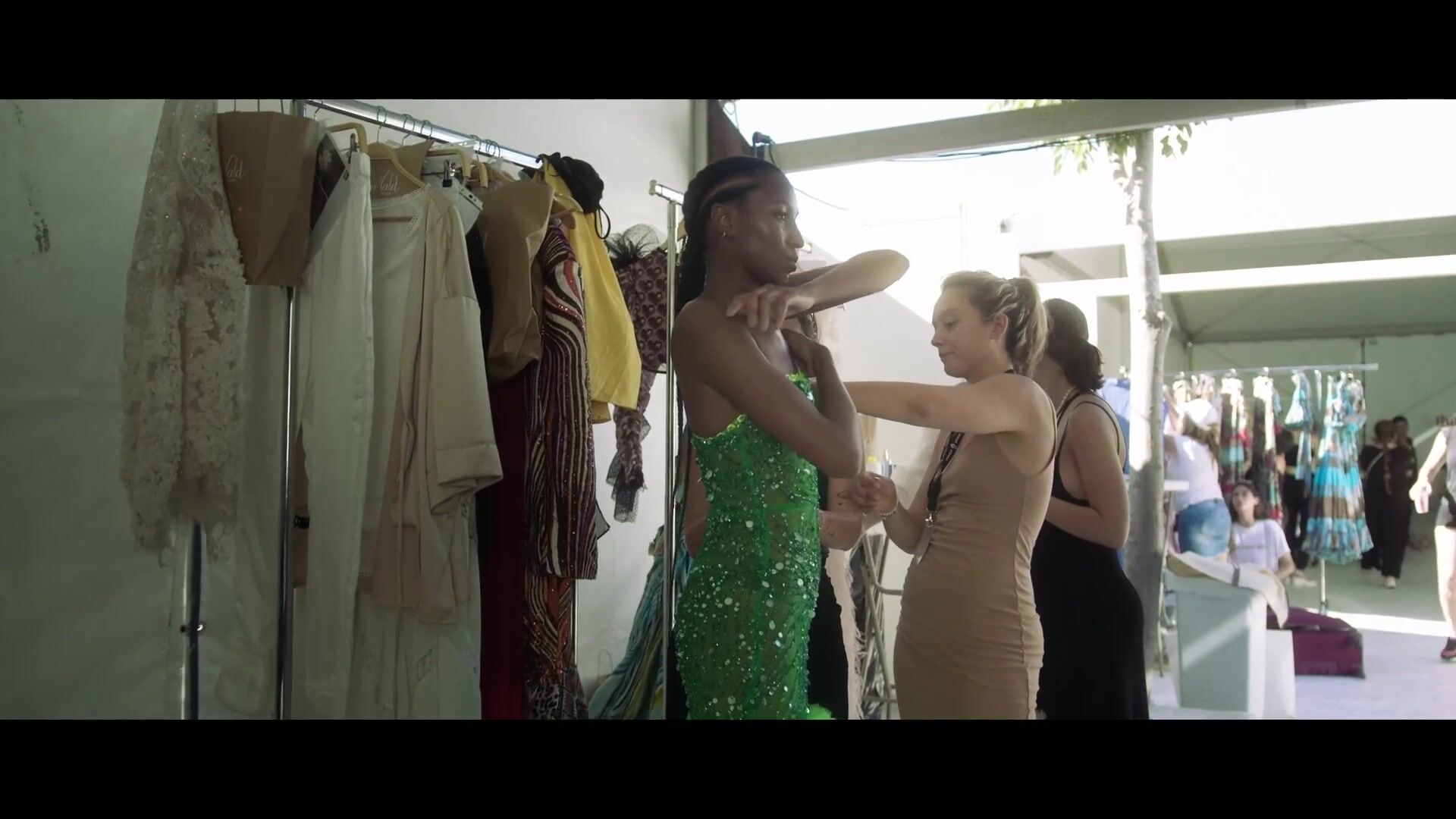
Backstage, the scale changes: hands making adjustments, glances before stepping out, details barely visible from the audience. Bringing that preparation into the film connects the collection with the people who make it possible. The runway presents the result; backstage offers a glimpse of the craft.
Fashion film: imagining a life around the collection
Think about where you imagine wearing that collection: lingering over lunch by the sea, the start of a night out, a few days away. A fashion film can begin there. We can give it a story, choose who lives it and find music that brings us closer to that moment. Before deciding what the film will look like, it is worth talking about what you want the viewer to feel.
On a runway, by contrast, the show sets the pace. The camera has to anticipate: we cannot ask a model to walk again because we missed a shot. We can give it a cinematic eye, but we are filming a real event. Understanding that difference helps you decide what you need: a campaign film, coverage of the presentation, or both.
At SIMOF in Seville, we also bring together runway footage, interviews and atmosphere to make daily highlights. Here, the participants’ voices add something the show alone cannot tell us. In that article, we explain how we organise the coverage.
A boat, a road, a house by the sea
If you are planning a fashion or luxury campaign in Ibiza, you may already have one of those images in mind. On a boat’s deck, we can suggest an escape; beside a car, an arrival or an encounter. In a house by the sea, we can move towards something more intimate. Each offers a way into a scene. What matters is what it brings to your collection.
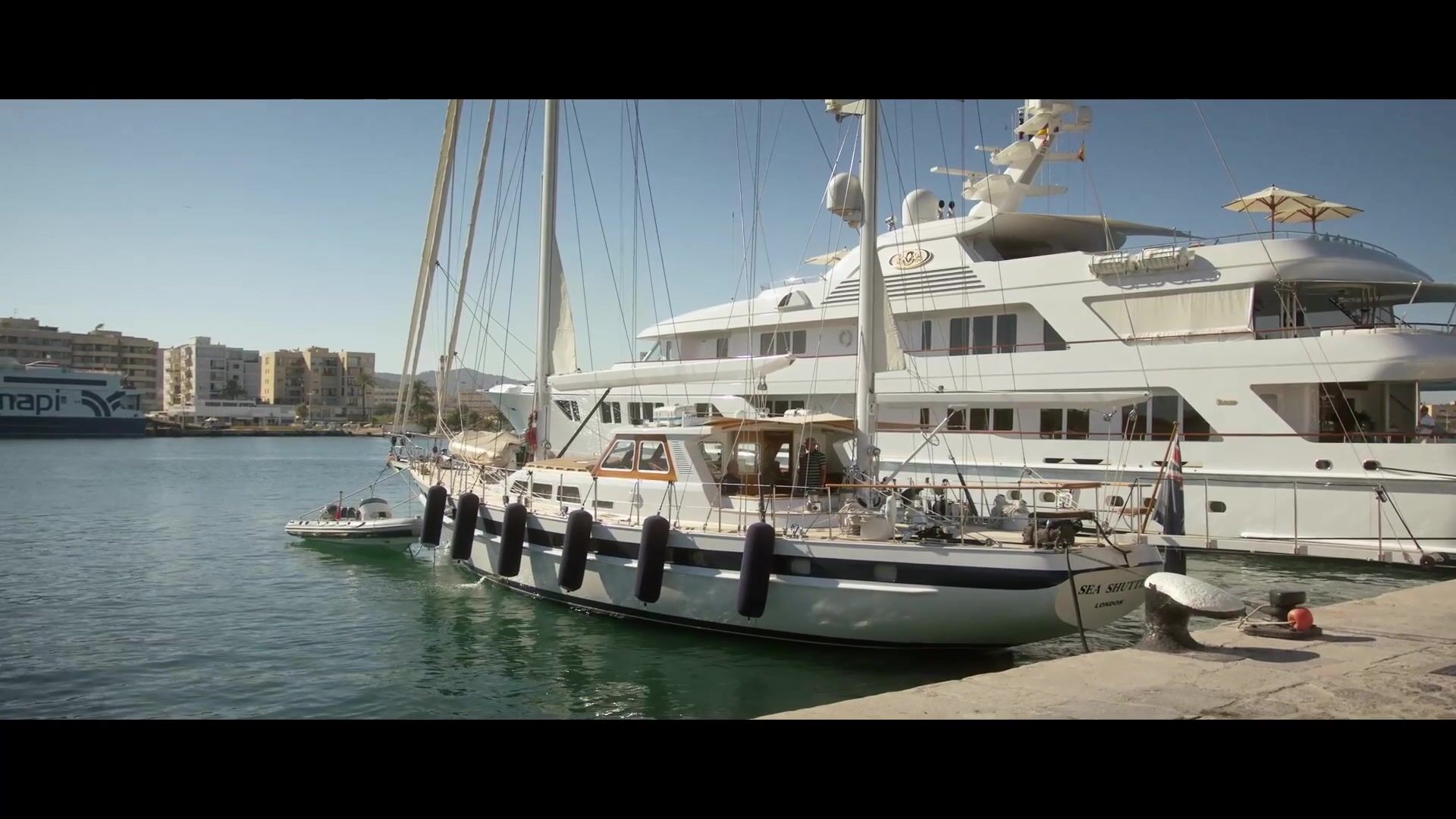
Let us return to the dress on that deck. Do you want us to see it moving in the wind, or to notice its cut? We may need both shots, each at the right moment. A location can be spectacular and still leave room for the garment. That balance needs thought before we fill the frame with beautiful things.
Production starts before the camera rolls
Outdoors, a breeze that flatters the dress can blow hair right in front of the earring. The light we like for the sea may not work on the metal. When preparing an audiovisual production in the Balearic Islands, these considerations are part of the same conversation: what you want to show and what we need to film it.
If we want the last light of the afternoon, the crew needs to be ready before it arrives. Access, setup, wardrobe and movement tests all need time. Then, when that light appears, we can give our attention to the scene. This part of the work is barely visible, but it helps what happens in front of the camera feel natural.
Luxury also means knowing when to stop
Some images make you want to reach out and touch them. You see the texture of a fabric, the relief of metal, the subtle tones of skin. If you have taken care over those details in your collection, you will want to find them in the film, too. That is why we look closely at colour: a warmer image can be beautiful and still alter a garment’s shade too much.
Rhythm matters, too. If a shot lets us discover a detail, it may need a few more moments before the next cut. Music can support that closeness or bring a different energy. Small decisions change how we relate to what we see: taking in a piece, following a gesture, wishing we were there.
A note on colour. A Pantone reference helps define a collection’s shade. On set, colour charts and camera tests help us check how it is captured. They are different tools serving the same question: do we still recognise the garment?
From the Mediterranean to a phone screen
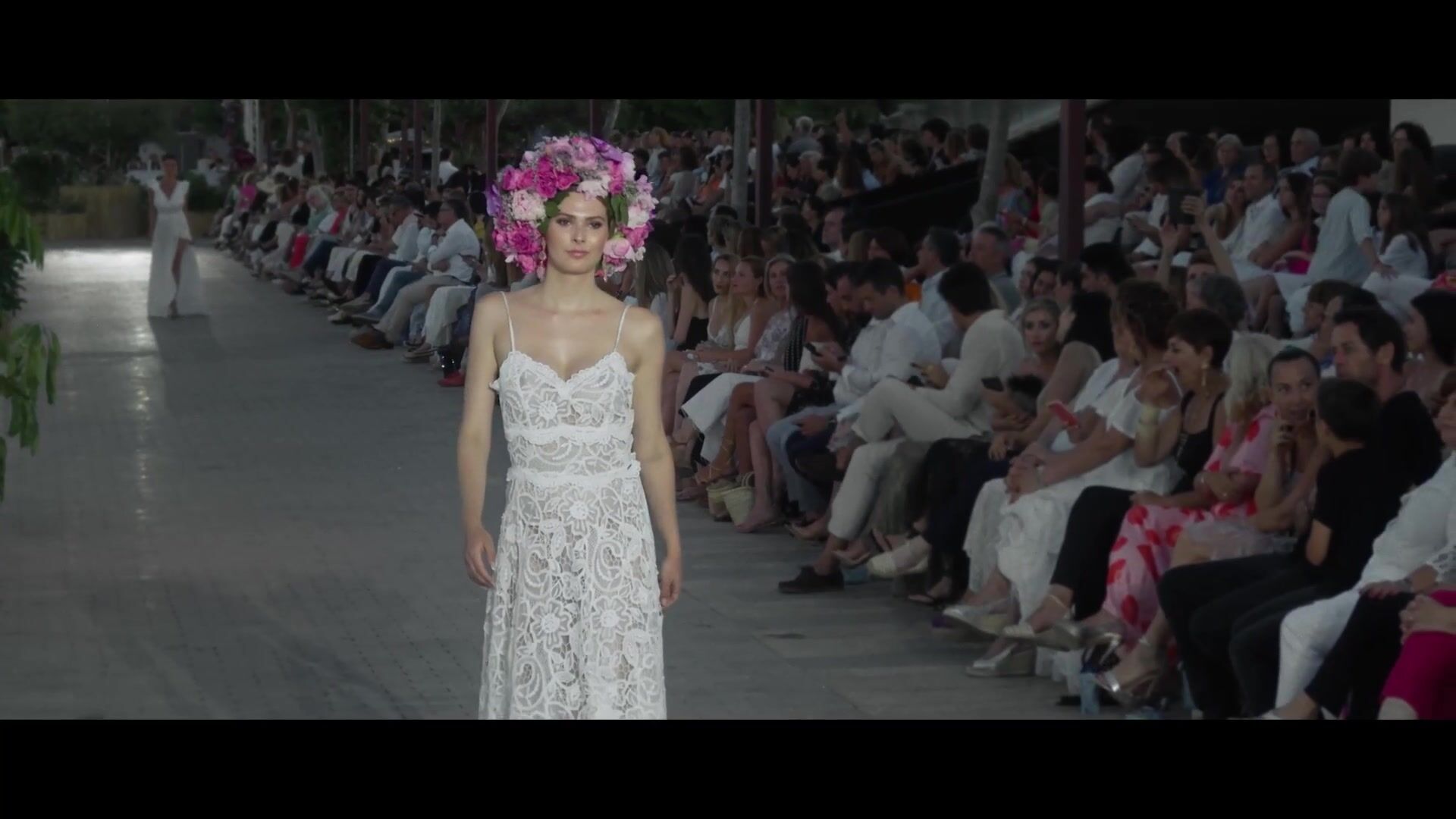
On a phone, a dress may run out of room to complete a turn, while a jewel can disappear from the frame. Format is a decision to make before the shoot: we need to know how much space the silhouette takes up and which detail must remain visible at a smaller size. Looking at the image on that scale helps us check that the collection retains what caught our eye up close.
What do you want people to remember about your collection?
You may already have a clear idea. Or you may have the collection and still be working out how to show it. If you’re planning a fashion or jewellery campaign, or a runway show in Ibiza, tell us what you have in mind. We can start there: with the piece, with what you love about it and with the desire to see it in motion.