When a project arrives at the studio with the question ‘Should we use 2D or 3D?’, we usually take a step back.
Before choosing we need to understand what the audience should take away, the tone the brand wants, how long the film will be used and whether it will need future versions.
2D and 3D are not rivals. They are different visual languages. Sometimes one clearly answers the brief; sometimes the best solution is a considered combination of both.
When 2D animation works best
2D is particularly useful for explaining abstract ideas, organising information or bringing a graphic identity into motion. It can work well for services, software, educational content, editorial campaigns and brands with an established illustration style.
It also lets us test pacing, composition and transitions early on. That does not mean it is always simpler: a 2D film needs art direction and storyboarding just as precise as a live-action shoot.
Two real examples: Caja Rural and Torremolinos
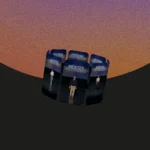
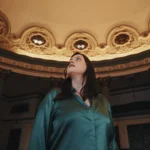
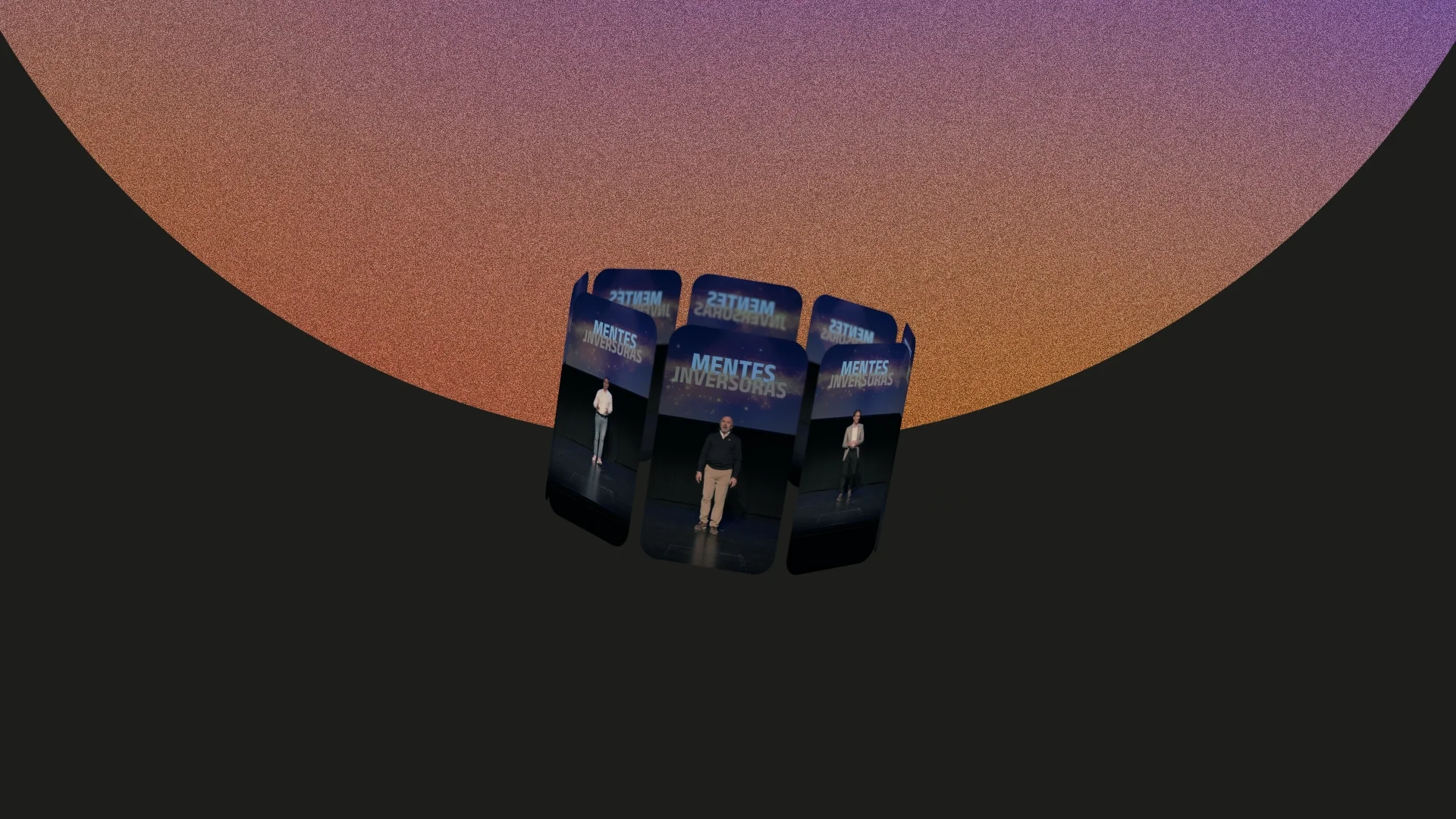
In Carmen’s short interview film for Caja Rural 25 Years, the animated opening and closing serve a clear purpose: identifying the campaign, organising information and maintaining the brand’s visual language. The animation is brief and appears simple, but it works because the timing, typographic hierarchy and arrival of each element are carefully considered.
Caja Rural 25 Years. The animated opening introduces the campaign before leading into the interview. Animation by Álvaro Fuentes, designer at La Huella Studio.
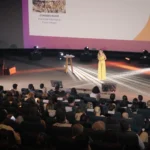
In Torremolinos Agenda 2030, graphics support the narrative throughout the film: introducing ideas, highlighting urban projects and making information clear where live-action footage alone would not be enough. Animation is not decoration here; it connects shots, maps, drawings and captions so viewers can follow a complex story.
An excerpt from Torremolinos Agenda 2030: live-action footage and animation explain the city’s projects. Animation by Álvaro Fuentes, designer at La Huella Studio.
When 3D makes sense
3D gives objects volume, offers control over camera and lighting, and lets us show something that does not yet exist or cannot be filmed. It suits product films, architecture, technical cutaways and campaigns that need to reuse the same visual world across several pieces.
The key is deciding how much realism the project needs. Not every idea calls for complex physical simulation; sometimes a more stylised 3D approach communicates better and stays closer to the brand’s visual language.
A useful comparison before preparing a budget
2D is often a good fit when…
- graphics, illustration or typography make the idea easier to understand;
- the brand already has a visual identity that can be animated;
- pacing and clarity matter more than realism;
- the film needs several format adaptations.
3D is often a good fit when…
- you need to show volume, materials, space or how something works;
- the product does not yet exist or cannot be filmed;
- you need several views of the same object or setting;
- the model can be reused in future films.
What affects an animation budget
The technique is only one part of the budget. When comparing proposals, it is worth looking at these variables too:
- Duration and shots: holding a single shot and designing several distinct scenes involve different amounts of work.
- Available assets: usable illustrations, models and product files can reduce the amount of work needed, provided they suit the project.
- Movement and finish: characters, simulations, textures or a high level of realism can add complexity.
- Revisions: changing a line in the script is not the same as rebuilding a finished scene.
- Versions and reuse: plan which elements will be useful for other languages, formats or campaigns.
How to combine 2D and 3D
Some campaigns need a three-dimensional product, while graphics, typography or illustration explain the idea more effectively. In those cases, we combine techniques to create pacing, hierarchy and clarity.
The combination works when viewers understand the message and recognise the brand’s personality.
The decisions we make before animating
- The audience, the message and the intended running time.
- Colour palette, typography and motion references.
- Script, storyboard and the level of detail required.
- Delivery formats and possible adaptations.
- The review schedule and who signs off each stage.
- The project’s lifespan and the elements worth reusing.
In 2D, we approve the script, storyboard and animatic — a rough edit for checking pacing and duration — before developing the final animation. In 3D, previsualisation lets us test framing and movement using simple versions of the elements. Modelling, materials and lighting are reviewed as the project requires, before final finishing and rendering. Changing a structural decision late in the process takes time with either technique.
Choose according to the message and the production
In La Huella Studio we approach animation according to what each campaign needs to communicate. In Proyecto Rumbo, motion graphics and colour grading were part of the film. If you need to explain a product, a service or a process, tell us what the audience needs to understand and where the film will appear.